Signal for Help Responder Course
From needs analysis to eLearning program production, LX Labs (Onlea) collaborated with the Canadian Women's Foundation to help regular people respond to signs of gender-based violence in a safe and supportive way.

-
Design usually strives to be loud and attention-grabbing. But what happens when the user’s safety depends on being discreet? The "Signal for Help" project required a unique content strategy: teaching a visual language that is recognizable to a helper but invisible to an abuser.
-
I approached this not as a "graphic design" project, but as a Life-Saving Interaction Design problem.
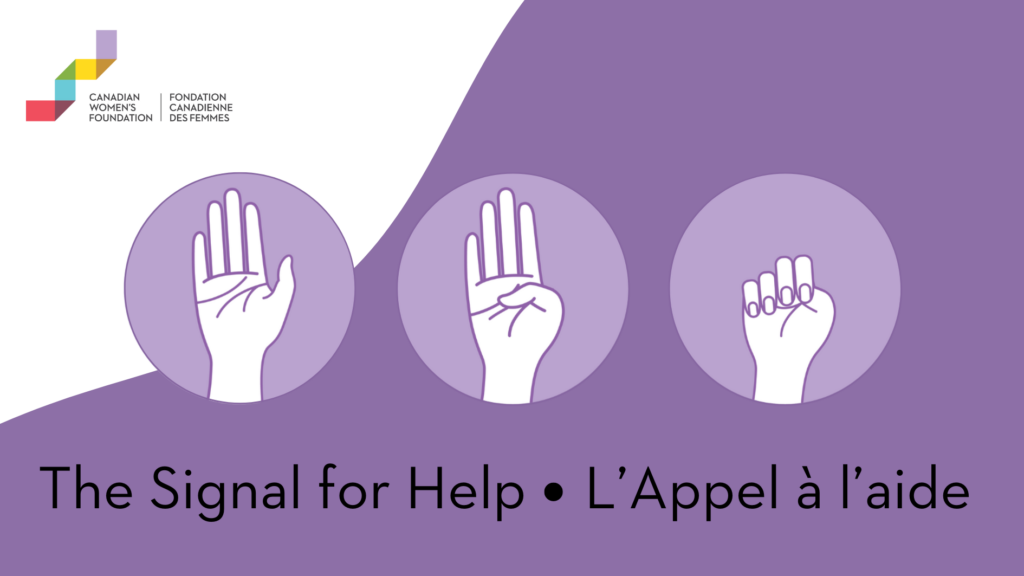
The Mapping of the Gesture: The signal (thumb tucked, fingers trapped) is a physical metaphor for being trapped. My role was to ensure that the educational graphics and animations clearly demonstrated this motion without ambiguity.
Reducing the Gulf of Execution: If a person in danger has to think too hard about how to make the sign, the design has failed. I used clean, high-contrast illustrations to make the "how-to" instantaneous.
-
Cultural & Physical Accessibility: This signal must be performable by anyone, regardless of hand shape or mobility constraints. I designed the instructional materials to account for various physical abilities, ensuring the intent of the gesture remained clear even if the execution varied.
Content Strategy for Virality: The messaging had to be "snackable" for social media (TikTok/Instagram) while maintaining the weight of the subject matter. I edited video content that focused on the affordance of silence, teaching viewers not just how to give the signal, but how to respond to it.
-
This project is a testament to the power of a simple, well-designed signifier. By creating clear, accessible, and strategically distributed multimedia content, we provided a tool for thousands of people to communicate across the "silence" of domestic abuse.
Awards & Recognitions
Don Norman often says, "Design is really an act of communication, which means having a deep understanding of the person with whom the designer is communicating." This project proves I don't just design for "users"—I design for human beings, sometimes, people in crisis.
Final Scenario Interactive - Signal For Help
Final Scenario Interactive - Signal For Help
Final Scenario Interactive - Signal For Help
Final Scenario Interactive - Signal For Help
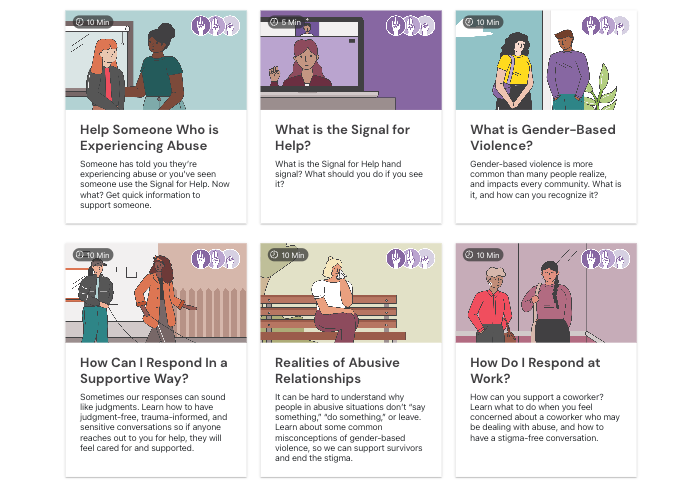


REWRITE: Something about animatics and the finished project.
Final Scenario Interactive - Signal For Help
Final Scenario Interactive - Signal For Help - Animatic